
The Games Don’t Change — but the Studios Behind Them Matter
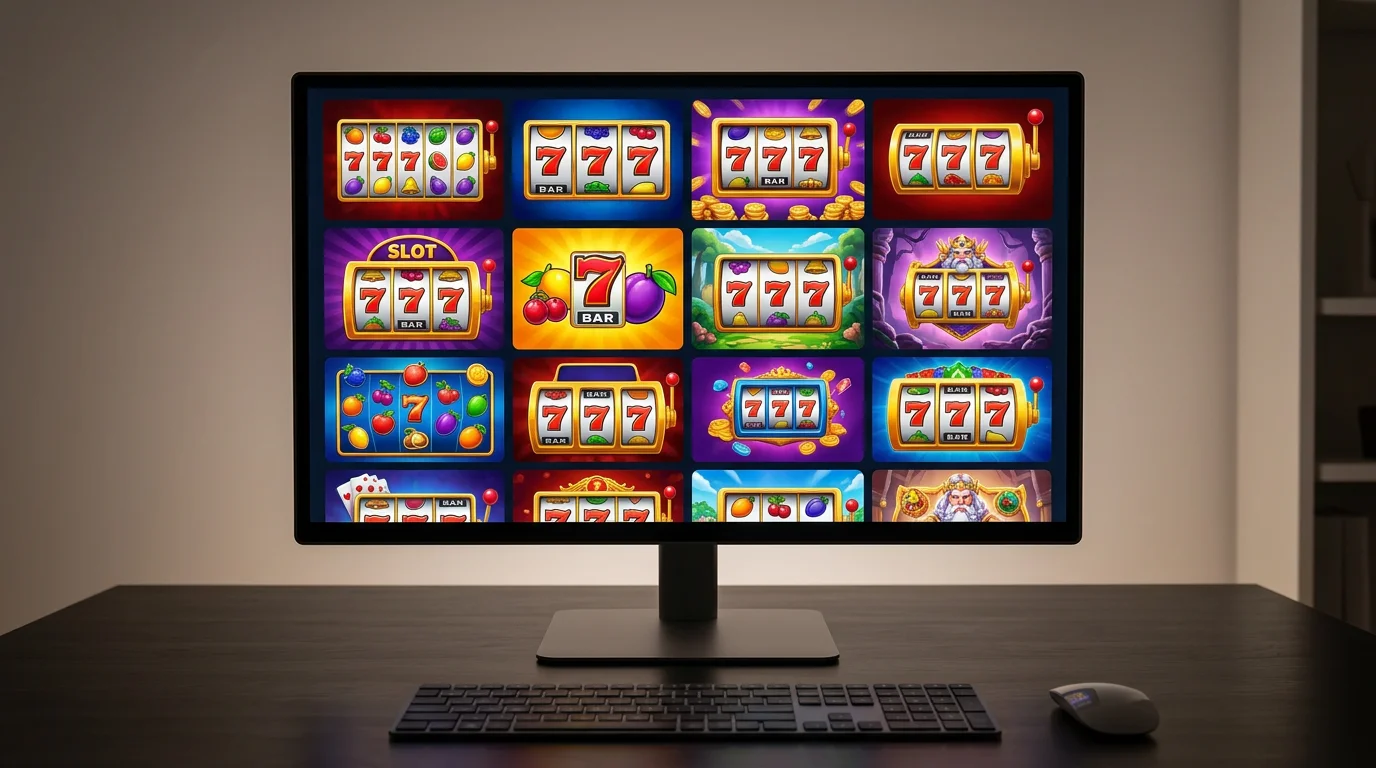
A casino is only as good as the games it offers, and the games are only as good as the studios that build them. At UKGC-licensed casinos, the provider roster is curated by necessity: every studio must hold a UKGC supplier licence to distribute content to UK-licensed operators. That requirement filters out smaller, less-established studios and ensures a baseline of technical quality and regulatory compliance. At non-GamStop casinos, the filter is looser. The same major providers appear — Pragmatic Play, Evolution, Play’n GO — but the catalogue also extends to niche studios, crypto-native developers, and providers who do not hold UKGC licences and have no presence in the regulated British market.
For players, the provider list tells you more about a casino’s quality than its bonus offers ever will. Recognisable studios mean tested games, audited RNG outputs, and published RTP values. Unknown providers mean none of those guarantees. This guide identifies the studios you will encounter at non-GamStop casinos, explains what each brings to the table, and covers the niche and exclusive providers that exist only in the offshore market.
Our top casino picks for the UK
- AmunbetBonus: Join now and get 450% up to 2,700 GBP + 450 FS · Payout speed: 1-3 business days
- SpinFormulaBonus: 550% Up To £15,000 + 550 FS · Payout speed: 1-3 business days
- BeOnBetBonus: 100% up to €500 + 100 FS · Payout speed: 1-3 business days
- BritsinoBonus: Welcome Package – Get your £2,200 + 2,000 FS · Payout speed: 1-3 business days
- ZombillionBonus: Welcome Pack 250% up to £4000 + 200 FS · Payout speed: 1-3 business days
- x3betBonus: Welcome Pack 100% Up to £1.000 + 200 Free Spins · Payout speed: 1-3 business days
- NightWinBonus: £900 + 400 free spins · Payout speed: 1-3 business days
- Revery PlayBonus: 100% up to€1,000+ 100 FS · Payout speed: 1-3 business days
- ChanzeBonus: Slots Welcome Bonus #1 200% up to €500 · Payout speed: 1-3 business days
- NightLuckBonus: Welcome Pack + 805% Up To 6400€ + 280 FS · Payout speed: 1-3 business days
Major Providers
Pragmatic Play is arguably the most ubiquitous provider at non-GamStop casinos. Their slot portfolio — Gates of Olympus, Sweet Bonanza, The Dog House, Big Bass Bonanza and its many sequels — is the backbone of game lobbies across the offshore market. Pragmatic also supplies live dealer tables, virtual sports, and bingo content, making them a one-stop provider for operators building a multi-product platform. Their games are technically solid, mobile-optimised, and available in both UKGC-compliant and unrestricted versions. At offshore casinos, Pragmatic slots run with autoplay enabled, bonus-buy features active, and no stake caps — the full, unmodified experience.
Evolution dominates the live dealer segment and increasingly the game-show category. Lightning Roulette, Crazy Time, Monopoly Live, and their extensive blackjack and baccarat catalogues appear at virtually every non-GamStop casino that offers live content. Evolution’s studio quality sets the benchmark for the industry, and the experience is identical regardless of which operator serves the feed. If a non-GamStop casino carries Evolution, the live dealer product will meet the standard you expect from UK-licensed platforms.
Play’n GO occupies a particular niche: high-volatility slots with distinctive themes and mechanics. Book of Dead, Reactoonz, and Fire Joker are long-standing portfolio staples, and newer releases continue the studio’s focus on volatile, feature-rich designs. Play’n GO games appear at most offshore casinos, and the studio’s RTP transparency is among the best in the industry — published values are consistent across jurisdictions, which removes one variable from the fairness equation.
Push Gaming and Hacksaw Gaming represent the next tier — studios that have built dedicated followings among slot enthusiasts for their distinctive mechanics and high-variance designs. Push Gaming’s Jammin’ Jars and Razor Shark, and Hacksaw’s Wanted Dead or a Wild and Chaos Crew, are frequently cited as reasons players seek out specific offshore casinos that carry these catalogues. Both studios hold MGA licences and supply content to UKGC-licensed operators, but their games at offshore casinos run without UK-market restrictions.
The UK’s online slots sector generated £4.2 billion in gross gambling yield during the 2024-25 financial year, according to data compiled by iGaming Expert. The studios listed above account for a dominant share of that figure. Their presence at non-GamStop casinos is not a coincidence — these providers distribute globally, and the offshore market represents an additional revenue channel for content that was developed primarily for regulated markets.
Exclusive and Niche Studios
Beyond the established names, the offshore market hosts a range of studios that do not hold UKGC supplier licences and distribute exclusively through non-UK-licensed casinos. BGaming is one of the most prominent, producing a catalogue of slots and table games tailored for the crypto casino segment. Their provably fair games — which allow players to verify outcomes using cryptographic hashes — are specifically designed for blockchain-native platforms. BGaming’s production quality is comparable to mid-tier mainstream providers, and their RTP values are published, but the absence of a UKGC licence means the games have not undergone the Commission’s review process.
Other crypto-native studios include Spribe (creators of Aviator, the crash game that has become a staple of offshore casinos), Turbo Games, and Upgaming. These studios build lightweight, mobile-first games designed for fast sessions and instant results — a product philosophy that aligns with the crypto casino audience’s preference for speed. The games are entertaining and technically functional, but the regulatory oversight is limited to whatever the operator’s licensing jurisdiction requires of its content suppliers.
The licensing context adds a useful filter. Approximately 300 gaming companies hold active MGA licences across the European Union, according to data published by Insider Monkey. Many of these are content providers rather than operators, and their MGA licence means they have undergone a regulatory review process that covers game integrity, RNG testing, and financial compliance. A studio with an MGA supplier licence distributing to an offshore casino offers a higher confidence level than a studio with no licence from any recognised jurisdiction. Checking whether a game provider holds its own licence — separate from the casino’s operating licence — is a due diligence step that most players overlook but that meaningfully affects the trustworthiness of the games you play.
RTP transparency is the practical test that ties provider quality to player experience. Major studios publish their theoretical RTP values in the game rules or on their corporate websites — Pragmatic Play, Play’n GO, and Push Gaming all do this consistently. At offshore casinos, the operator may configure the RTP within a range offered by the provider (some studios allow operators to select from multiple RTP settings), and this configured value is not always disclosed. If the game’s help screen does not display an RTP figure, and the casino’s terms do not specify which RTP configuration is in use, you are playing without knowing the house edge — a disadvantage no informed player should accept voluntarily.
Conclusion
The game provider roster is one of the most reliable indicators of quality at a non-GamStop casino. Recognisable studios — Pragmatic Play, Evolution, Play’n GO, Push Gaming, Hacksaw — bring tested games, published RTP values, and a track record that spans thousands of operators. Niche and crypto-native studios bring innovation and exclusivity but less regulatory oversight. The best offshore casinos carry a mix of both, giving players access to mainstream content alongside titles that are genuinely unavailable in the UK-licensed market.
When evaluating a non-GamStop casino, check the provider list before you check the bonus. A lobby full of unrecognisable studio names with no published RTP values and no identifiable licence is a warning sign that no welcome offer can offset.
Disclaimer:
This article is provided for informational purposes only and does not constitute gambling or financial advice. Gambling carries inherent risk, and you should never wager money you cannot afford to lose. If you or someone you know is experiencing gambling-related harm, free and confidential support is available through the National Gambling Helpline on 0808 8020 133, operated by GamCare, or via BeGambleAware.org.
Game Providers at Non-GamStop Casinos — More on this topic at casinos not on gamstop.